

As you navigate the intricate landscape of personal finance, the guidance of a knowledgeable and trustworthy financial advisor can prove invaluable. However, with many options available, choosing the right professional to entrust with your financial well-being can be daunting. This comprehensive guide aims to empower you with the knowledge and tools necessary to make an informed decision, ensuring you find a financial advisor who aligns with your unique needs and aspirations.
Assessing Your Financial Necessities
Before embarking on your quest to find the perfect financial advisor, it is crucial to conduct an introspective evaluation of your current financial situation and future objectives. By clearly identifying your specific requirements, you can streamline the process of selecting an advisor who possesses the specialized expertise to address your unique circumstances effectively.
Identifying Your Financial Goals
Take a moment to reflect on your short-term and long-term financial aspirations. Are you seeking assistance with budgeting and debt management? Perhaps you require guidance on investment strategies or retirement planning. Maybe you are navigating the complexities of estate planning or tax optimization. Pinpointing these goals will help you determine the areas in which you require professional support, enabling you to seek out advisors with the relevant expertise.
Evaluating Your Financial Complexity
Consider the intricacy of your financial situation. Do you have a straightforward portfolio, or are you dealing with a multifaceted web of investments, assets, and liabilities? Individuals with relatively uncomplicated financial circumstances may benefit from the services of a robo-advisor or an online financial planning platform, which typically offers more affordable solutions. Conversely, those with complex financial situations may require the personalized attention and expertise of a traditional, human financial advisor.
Deciphering the Credentials: Understanding Financial Advisor Designations
As you embark on your search for the ideal financial advisor, you will likely encounter a plethora of acronyms and designations. While these credentials can be an indicator of an advisor’s knowledge and expertise, it is essential to understand their significance and implications.
What Is A Fiduciary Duty & How Does That Impact Your Decision?
According to Investopedia, “A fiduciary accepts legal responsibility for duties of care, loyalty, good faith, confidentiality, and more when serving the best interests of a beneficiary. Fiduciary duty refers to the relationship between the fiduciary and the principal or beneficiary on whose behalf the fiduciary acts. Strict care must be taken to ensure that no conflict of interest arises to jeopardize those interests.”
Ensuring that you are receiving advice from someone who has a fiduciary duty to you (the client) protects you and increases the likelihood that your financial advisor will act in your best interest over their own. This requires your Fiduciary to disclose any conflicts of interest. Understanding these disclosures is important.
Certified Financial Planner (CFP®)
The Certified Financial Planner (CFP®) designation is widely regarded as one of the most prestigious and comprehensive certifications in the financial advisory industry. To earn this credential, professionals must complete rigorous coursework, accumulate substantial experience, and pass a comprehensive examination covering a broad range of financial planning topics. CFP® professionals are bound by a fiduciary duty, ensuring that they prioritize their client’s best interests above all else.
Chartered Financial Analyst (CFA®)
The Chartered Financial Analyst (CFA®) designation is a globally recognized credential that signifies expertise in investment analysis and portfolio management. CFA® charterholders have demonstrated a deep understanding of financial markets, securities, and investment strategies through a demanding examination process and extensive work experience. These professionals are often employed by investment firms, banks, and financial advisory firms, specializing in investment-related services.
Certified Public Accountant (CPA)
Certified Public Accountants (CPAs) are professionals who have passed rigorous examinations and met stringent educational and experience requirements in the field of accounting and taxation. While CPAs may not necessarily specialize in financial planning or investment management, those with additional certifications, such as the Personal Financial Specialist (PFS) credential, can provide valuable insights into tax planning and estate planning strategies.
Other Relevant Designations
Beyond the aforementioned credentials, there are several other designations that financial advisors may hold, including the Chartered Financial Consultant (ChFC®), Certified Investment Management Analyst (CIMA®), and Chartered Life Underwriter (CLU®). While these designations demonstrate specialized knowledge in specific areas of finance, it is essential to evaluate an advisor’s overall qualifications, experience, and alignment with your needs.
Navigating the Financial Advisor Landscape
With a better understanding of the various credentials and designations, it is time to explore the different types of financial advisors available to you. Each category of advisor offers unique services, fee structures, and areas of expertise, making it crucial to select the one that best aligns with your specific requirements.
Fee-Only Financial Advisors
Fee-only financial advisors are professionals who are compensated solely through fees paid directly by their clients. These fees can be structured as a percentage of the assets under management (AUM), a flat annual fee, or an hourly rate. Fee-only advisors do not receive commissions or incentives from third-party financial products, eliminating potential conflicts of interest and ensuring that their advice is unbiased and focused solely on their clients’ best interests.
Commission-Based Financial Advisors
In contrast to fee-only advisors, commission-based financial advisors earn their compensation through commissions generated from the sale of financial products, such as insurance policies or investment products. While this compensation model can potentially create conflicts of interest, it may be a more affordable option for individuals with limited assets or straightforward financial needs.
Fee-Based Financial Advisors
Fee-based financial advisors combine elements of both fee-only and commission-based models. They charge fees for their services while also earning commissions from the sale of certain financial products. It is essential to understand the fee structure and potential conflicts of interest when working with a fee-based advisor to ensure that their recommendations align with your best interests.
Robo-Advisors
Robo-advisors are digital platforms that leverage algorithms and computer models to provide automated investment management services. These platforms typically offer low-cost investment solutions and may be suitable for individuals with relatively straightforward investment needs and a preference for a hands-off approach. However, robo-advisors may not provide the comprehensive financial planning services offered by human advisors.
Registered Investment Advisors (RIAs)
Registered Investment Advisors (RIAs) are firms or individuals registered with the Securities and Exchange Commission (SEC) or state securities regulators. RIAs are bound by a fiduciary duty, which requires them to act in their clients’ best interests. These advisors can offer a wide range of financial planning and investment management services, and they may operate as fee-only, fee-based, or commission-based advisors.
Evaluating the Cost: Understanding Financial Advisor Fee Structures
As with any professional service, working with a financial advisor comes with a cost. It is essential to understand the various fee structures employed by advisors to ensure that you are making an informed decision that aligns with your budget and financial goals.
Percentage of Assets Under Management (AUM)
One of the most common fee structures used by financial advisors is a percentage of the assets under management (AUM). This fee is typically charged annually and is calculated as a percentage of the total value of the assets that the advisor manages on your behalf. The industry average for AUM fees ranges from 0.5% to 1.5%, with higher percentages often applied to smaller account balances.
Flat Fee or Subscription Model
Some financial advisors opt for a flat fee or subscription model, where clients pay a predetermined annual or monthly fee for access to the advisor’s services. This fee structure can be advantageous for individuals with substantial assets, as it can result in lower overall costs compared to the AUM model.
Hourly Rate
Financial advisors who charge an hourly rate bill their clients based on the time spent providing services. This fee structure can be beneficial for individuals seeking targeted advice or assistance with specific financial tasks, such as creating a comprehensive financial plan or reviewing an investment portfolio.
Commissions
Commission-based financial advisors earn their compensation through the sale of financial products, such as insurance policies, annuities, or investment products. While this model can provide access to financial advice at a lower upfront cost, it is essential to be aware of potential conflicts of interest and ensure that the recommended products align with your best interests.
When evaluating the cost of working with a financial advisor, it is crucial to consider not only the fee structure but also the value and quality of the services provided. A higher fee may be justified if the advisor offers comprehensive financial planning, personalized attention, and a track record of successful outcomes.
Conducting Thorough Due Diligence
Before entrusting your financial well-being to a professional advisor, it is imperative to conduct a comprehensive due diligence process. This step not only ensures that you are working with a qualified and reputable individual but also helps to establish a strong foundation for a successful and transparent advisory relationship.
Verifying Credentials and Licenses
While financial advisors may tout impressive credentials and designations, it is essential to verify their authenticity. Many professional organizations and regulatory bodies maintain online databases or directories where you can confirm an advisor’s credentials, licenses, and any disciplinary actions or complaints filed against them.
Reviewing Professional Backgrounds
In addition to verifying credentials, it is advisable to research an advisor’s professional background and experience. This can include reviewing their employment history, areas of expertise, and any specializations or niches they may have. Online resources, such as the Financial Industry Regulatory Authority’s (FINRA) BrokerCheck tool, can provide valuable insights into an advisor’s professional history and any potential red flags.
Assessing Fiduciary Status
One of the most critical factors to consider when selecting a financial advisor is their fiduciary status. A fiduciary advisor is legally and ethically bound to act in their clients’ best interests, prioritizing their needs over personal gain or third-party incentives. Inquiring about an advisor’s fiduciary status and understanding the implications of this commitment can help ensure that your financial well-being is the primary focus of the advisory relationship.
Evaluating Communication and Compatibility
Effective communication and compatibility are essential components of a successful advisory relationship. During the due diligence process, pay attention to the advisor’s communication style, responsiveness, and ability to explain complex financial concepts clearly and understandably. Additionally, consider whether the advisor’s personality and approach align with your preferences and expectations.
Fostering a Collaborative Relationship
Once you have selected a financial advisor who meets your criteria, it is crucial to establish a collaborative and transparent relationship. This partnership should be built on open communication, mutual understanding, and a shared commitment to achieving your financial goals.
Clearly Defining Roles and Responsibilities
At the outset of your engagement, it is essential to clearly define the roles and responsibilities of both you and your financial advisor. Discuss your expectations, including the frequency and mode of communication, the services to be provided, and the advisor’s approach to financial planning and investment management. This clarity will help to ensure that both parties are aligned and working towards the same objectives.
Maintaining Open Communication
Effective communication is the foundation of a successful advisory relationship. Encourage open and honest dialogue with your financial advisor, and feel empowered to ask questions, seek clarification, and express any concerns or reservations you may have. A transparent and responsive advisor will not only address your queries but also proactively provide updates and insights relevant to your financial situation.
Embracing a Collaborative Mindset
While your financial advisor possesses the expertise and knowledge to guide you through the complexities of financial planning, it is essential to embrace a collaborative mindset. Share your goals, values, and risk tolerance openly, and actively participate in the decision-making process. A collaborative approach ensures that the strategies and recommendations proposed by your advisor align with your unique circumstances and aspirations.
Navigating Life’s Transitions
As you journey through life’s various stages, your financial needs and priorities will inevitably evolve. A skilled financial advisor will not only anticipate these transitions but also proactively adapt their strategies to ensure that your financial plan remains aligned with your changing circumstances.
Marriage and Family Planning
Significant life events, such as marriage or starting a family, can have profound implications on your financial landscape. Your financial advisor should be equipped to guide you through these transitions, offering insights on topics such as budgeting, insurance planning, and investment strategies tailored to your new family dynamics.
Career Changes and Retirement Planning
Whether you are embarking on a new career path or preparing for retirement, your financial advisor should be a trusted partner in navigating these pivotal moments. They can assist you in developing a comprehensive plan that addresses income streams, tax implications, and investment strategies to ensure a secure and comfortable future.
Estate Planning and Wealth Transfer
As you accumulate wealth and assets throughout your life, it becomes increasingly important to have a well-crafted estate plan in place. A knowledgeable financial advisor can collaborate with legal professionals to develop strategies for efficient wealth transfer, minimizing tax implications, and ensuring that your legacy is preserved for future generations.
Embracing Technology and Innovation
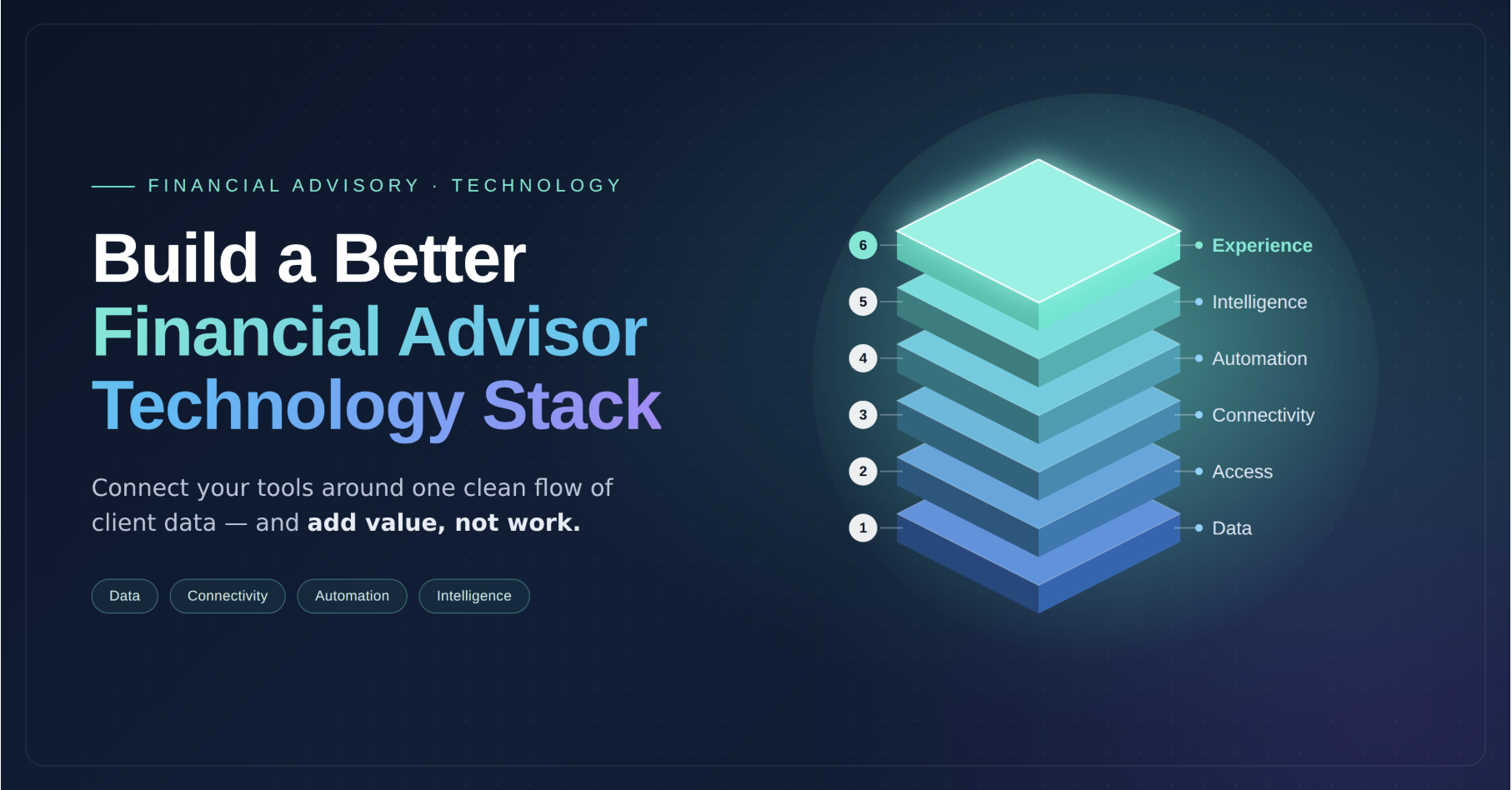
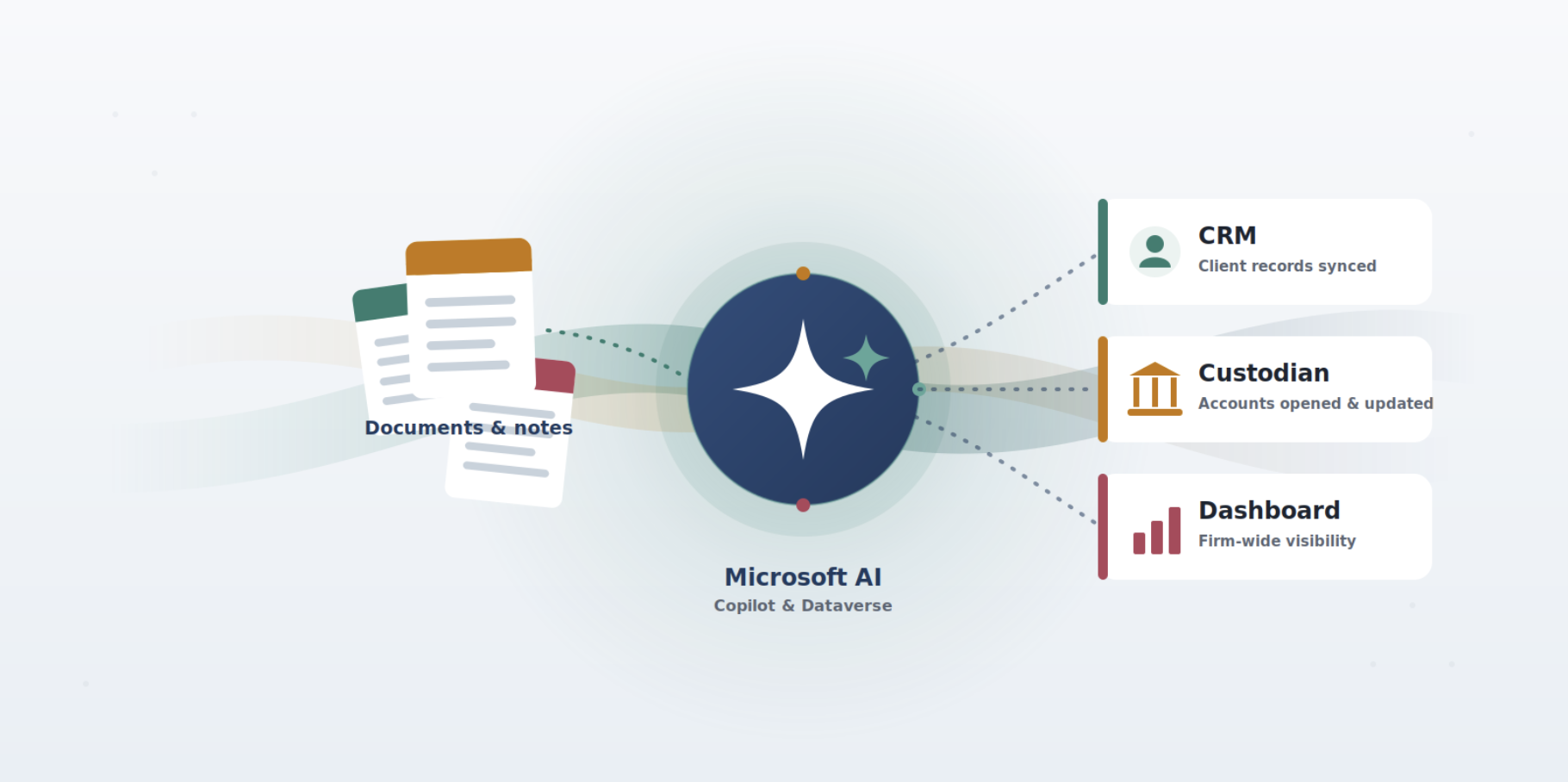
The financial advisory industry is continuously evolving, with technology playing an increasingly prominent role in delivering efficient and personalized services. By embracing innovation and leveraging cutting-edge tools and platforms, financial advisors can enhance their capabilities and provide a more seamless and engaging experience for their clients.
Robo-Advisors and Digital Platforms
Robo-advisors and digital financial planning platforms have revolutionized the way individuals access and manage their finances. These technology-driven solutions offer automated investment management, portfolio rebalancing, and personalized financial planning tools, often at a lower cost than traditional advisory services.
Hybrid Advisory Models
As technology continues to advance, many financial advisors are adopting hybrid models that combine the benefits of human expertise and digital capabilities. These hybrid approaches leverage algorithms and data analytics to streamline processes, while still providing personalized attention and guidance from human advisors.
Cybersecurity and Data Protection
With the increasing reliance on digital platforms and the exchange of sensitive financial information, cybersecurity and data protection have become paramount concerns. When evaluating financial advisors, it is essential to inquire about their cybersecurity measures, data encryption protocols, and adherence to industry best practices to safeguard your personal and financial information.
Fostering Financial Literacy and Empowerment
While financial advisors possess the expertise to guide you through the complexities of financial planning, it is equally important for you to cultivate a strong foundation of financial literacy. An advisor who prioritizes your financial empowerment and actively encourages your involvement in the decision-making process can be an invaluable asset.
Ongoing Education and Transparency
A truly exceptional financial advisor will not only provide tailored recommendations but also take the time to educate you on the rationale behind their strategies. By fostering an environment of transparency and ongoing education, you can develop a deeper understanding of financial concepts, enabling you to make informed decisions and actively participate in the management of your financial affairs.
Encouraging Ownership and Accountability
While your financial advisor is a trusted partner in your financial journey, it is essential to recognize that you are ultimately responsible for your financial well-being. A skilled advisor will encourage you to take ownership of your financial decisions and hold you accountable for adhering to the agreed-upon strategies and plans.
Empowering Financial Confidence
Financial literacy and empowerment go beyond mere knowledge; they encompass a sense of confidence and self-assurance in navigating the complexities of personal finance. By working with an advisor who prioritizes your financial education and actively involves you in the decision-making process, you can develop the skills and mindset necessary to make informed choices and confidently pursue your financial goals.
Forging a Long-Term Partnership
Selecting the right financial advisor is not merely a transactional decision; it is the foundation of a long-term partnership that can profoundly impact your financial well-being. By fostering a relationship built on trust, transparency, and shared values, you can create a lasting alliance that adapts to your evolving needs and supports your financial aspirations throughout life’s journey.
Establishing Trust and Rapport
Trust and rapport are the cornerstones of a successful advisory relationship. Take the time to engage in open and honest dialogues with your financial advisor, sharing your values, concerns, and aspirations. A genuine connection based on mutual understanding and respect will facilitate a more productive and rewarding partnership.
Aligning Values and Priorities
Your financial advisor should not only possess the technical expertise to manage your finances but also align with your values and priorities. Discuss your ethical considerations, risk tolerance, and long-term goals to ensure that the strategies and recommendations proposed by your advisor resonate with your core beliefs and objectives.
Embracing Flexibility and Adaptability
As life’s circumstances evolve, your financial needs and priorities may shift. A skilled financial advisor will recognize the importance of flexibility and adaptability, proactively adjusting their strategies to accommodate your changing circumstances. By embracing a dynamic and responsive approach, your advisor can ensure that your financial plan remains relevant and aligned with your evolving aspirations.
Conclusion
Selecting the right financial advisor is a crucial decision that can have far-reaching implications for your financial well-being. By following the comprehensive guidelines outlined in this article, you can navigate the complexities of the financial advisory landscape with confidence and clarity. Remember, the journey toward financial prosperity is a collaborative endeavor, and by partnering with a knowledgeable, trustworthy, and empathetic advisor, you can unlock the path to achieving your financial dreams and securing a prosperous future.
A Comprehensive Guide to Selecting the Ideal Financial Advisor References
- https://www.nerdwallet.com/article/investing/how-to-choose-a-financial-advisor
- https://www.wsj.com/buyside/personal-finance/financial-tips/how-to-choose-financial-advisor
- https://www.ramseysolutions.com/retirement/how-to-hire-a-financial-advisor?srsltid=AfmBOopfVioJQNxaYyTP_lG61EtZjK2nrmIS-sWYBonHEazSw8gWWUrS
- https://smartasset.com/retirement/financial-advisor
- https://www.forbes.com/advisor/investing/how-to-choose-a-financial-advisor/
- https://money.usnews.com/financial-advisors/articles/how-to-choose-a-financial-advisor
- https://www.cnn.com/cnn-underscored/money/how-to-choose-a-financial-advisor
- https://blog.legacykeeper.app/2024/09/23/wealth-management-vs-financial-planning/

Leave a Reply